Close-up photographs capture feathers' dazzle factor
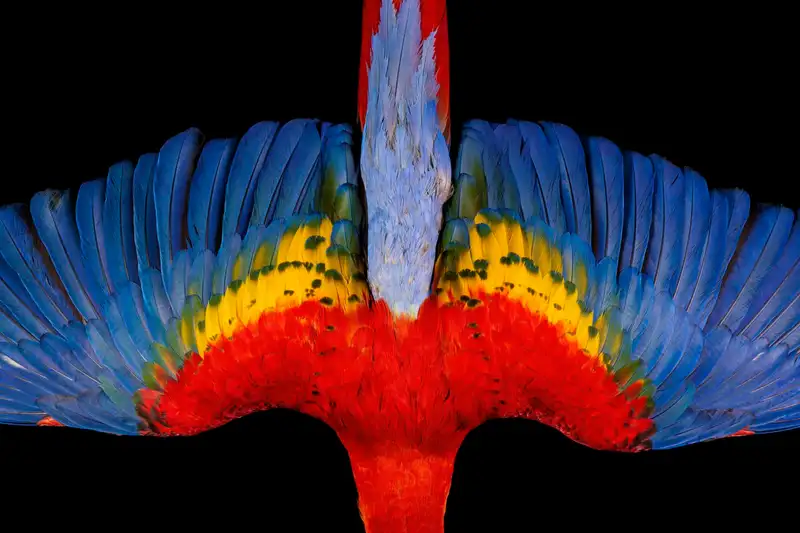
Heidi and Hans-Jürgen Koch photographed various feathers housed at the Museum of Natural History in Berlin to create these vibrant images
FEW creations of the natural world possess the dazzle factor of feathers. They are at the crux of some of the most astonishing courtship displays and migrations on Earth, and have long been a centerpiece of human culture, art and mythology.
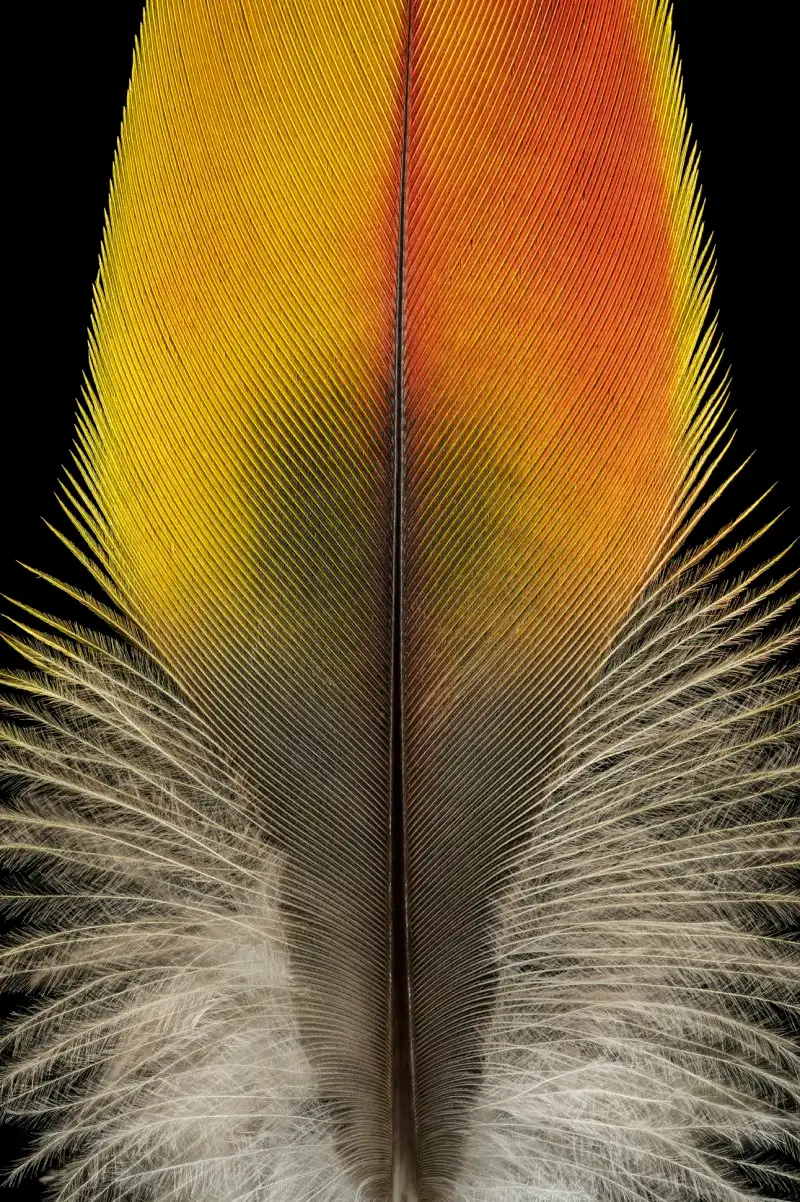
Made from keratin, feathers provide visual appeal and also help birds (and, millions of years ago, dinosaurs) to fly. They also help birds to swim and camouflage themselves, as well as keep warm, dry and protected.
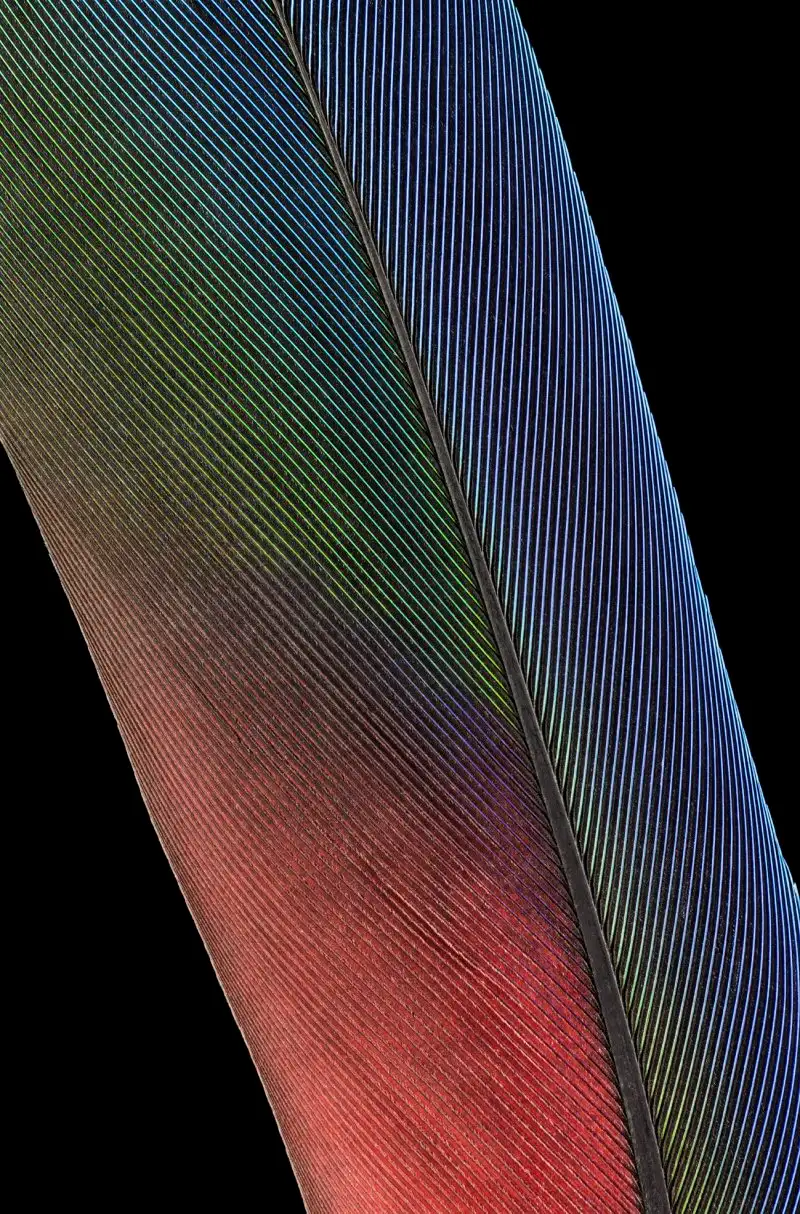
Some of the remarkable vibrancy and diversity of feathers is captured in these mesmerizing images taken by photographers Heidi and Hans-Jürgen Koch. “For us, bird feathers are probably the most poetic masterpiece of evolution,” they say.
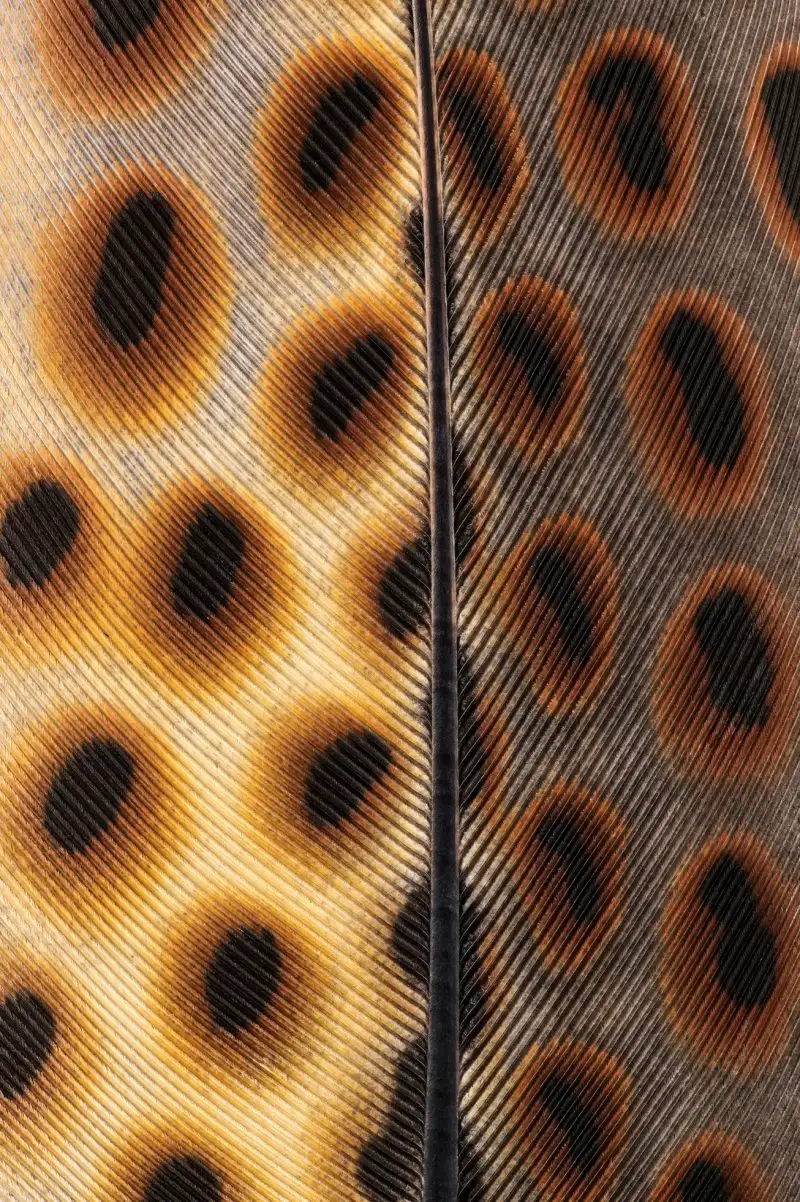
Photographing various types of plumage housed at the Museum of Natural History in Berlin, Germany, they combined individual shots taken at varying levels of light to “expose the essence” of the extravagant colors, shapes and structures of feathers, which make “people succumb to their charisma”, they say. A book of their images is due out later this year.
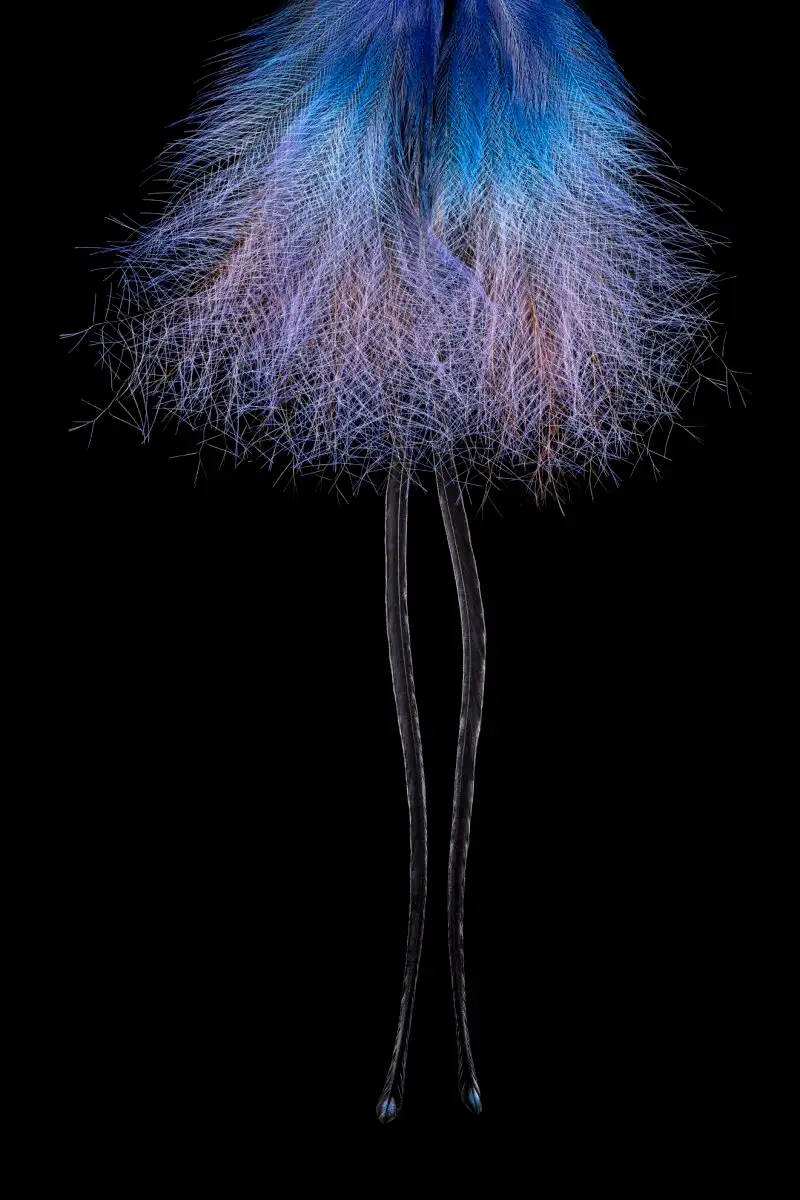
The iconic coloring of the scarlet macaw are displayed in the main image, showing its mainly red plumage and blue wing feathers; below it is a yellow shoulder-feather from the same species. Then from there is the feather of a black-headed parrot, the typical eye spots of a great Argus pheasant, the plumage of a blue bird-of-paradise (pictured above) and the tail feathers of a gray peacock-pheasant (pictured below).

Share the news

